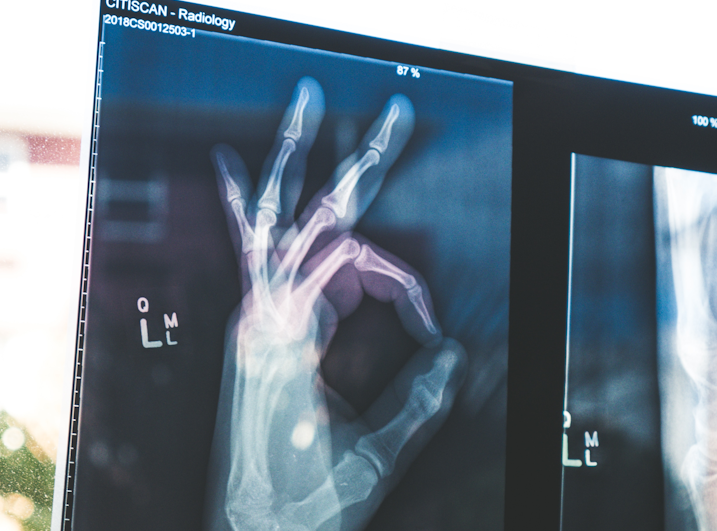
Arthritis, a term often heard but not always fully understood, refers to a group of inflammatory joint diseases that affect millions worldwide. In this blog, we’ll delve into what arthritis is, explore potential symptoms (keeping in mind this is not a diagnosis), and discuss practical ways to manage this condition.
What is Arthritis?
Arthritis is a broad term encompassing over 100 different types of joint diseases, with osteoarthritis and rheumatoid arthritis being the most common. These conditions cause inflammation, pain, and stiffness in the joints, impacting overall mobility and quality of life.
Symptoms of Arthritis:
While symptoms can vary depending on the specific type of arthritis, some common indicators include:
- Joint Pain: Persistent discomfort or pain in one or more joints.
- Stiffness: Morning stiffness or stiffness after periods of inactivity.
- Swelling: Swelling around affected joints due to inflammation.
- Reduced Range of Motion: Difficulty moving joints as freely as before.
- Fatigue: Feeling unusually tired, often linked to the body’s inflammatory response.
How Can Arthritis Be Managed?
- Medication: Depending on the type and severity of arthritis, medications such as pain relievers, anti-inflammatories, and disease-modifying anti-rheumatic drugs (DMARDs) may be prescribed.
- Physical Activity: Regular, low-impact exercise helps maintain joint function and reduce stiffness. Activities like swimming, walking, and tai chi are often recommended.
- Weight Management: Maintaining a healthy weight reduces stress on joints, particularly for osteoarthritis.
- Physical Therapy: Working with a physical therapist can help improve joint function and flexibility.
- Joint Protection: Techniques to protect joints during daily activities, such as using assistive devices or ergonomic tools.
- Balanced Diet: A diet rich in anti-inflammatory foods, such as fruits, vegetables, and omega-3 fatty acids, may help manage symptoms.
- Heat and Cold Therapies: Applying heat or cold to affected joints can provide relief from pain and inflammation.
It’s crucial to note that the presence of these symptoms does not automatically mean arthritis. Many conditions can cause joint pain and stiffness, and only a healthcare professional can provide an accurate diagnosis. If you’re experiencing persistent symptoms, it’s important to consult with a doctor for a thorough evaluation.
While arthritis can impact daily life, early diagnosis and proactive management strategies can make a significant difference. If you suspect arthritis, consult with a healthcare professional for an accurate diagnosis and personalized treatment plan. With the right approach, individuals with arthritis can lead fulfilling, active lives.